
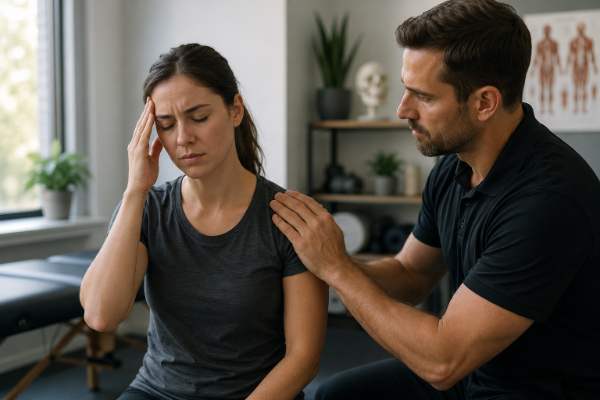
A concussion is a mild traumatic brain injury (mTBI) that can affect how your brain functions, leading to symptoms that impact your physical health, cognitive abilities, emotions, and overall quality of life. While many people associate concussions with sports, they can also occur after car accidents, workplace injuries, falls, recreational accidents, or any blow or jolt to the head or body.
At Cracked Open Chiropractic in Longmont, CO, we provide comprehensive evaluations and conservative care for patients recovering from concussions. Our goal is to support the body’s natural healing process, help manage symptoms, improve function, and guide patients safely back to their normal daily activities. Every concussion is unique, which is why we create personalized treatment plans based on each patient’s symptoms, health history, and recovery goals.
Request an AppointmentWhat Is a Concussion?
A concussion is a type of traumatic brain injury caused by a sudden impact or rapid acceleration and deceleration of the head. This movement causes the brain to shift within the skull, temporarily disrupting normal brain function.
Concussions can occur without a direct blow to the head. Whiplash from a motor vehicle accident, a fall, or a forceful impact to the body can create enough movement to cause a concussion.
Although many concussions are considered “mild,” they should never be ignored. Prompt evaluation and appropriate management can reduce the risk of prolonged symptoms and support a healthier recovery.
Common Causes of Concussions
Concussions frequently result from:
Sports and Recreational Injuries
Athletes participating in football, soccer, hockey, basketball, cycling, skiing, gymnastics, and other contact or high-impact sports are at increased risk.
Motor Vehicle Accidents
Rear-end collisions and other auto accidents often create rapid head and neck movement that can result in both whiplash and concussion.
Falls
Falls are one of the leading causes of concussions among children, older adults, and active individuals.
Workplace Accidents
Construction injuries, slips, falls, and impacts from equipment or objects can all lead to head injuries.
Everyday Accidents
Household falls, recreational activities, and accidental impacts can also cause concussions.
Signs and Symptoms of a Concussion
Symptoms may appear immediately or develop over several hours or days.
Physical Symptoms
- Headache
- Neck pain
- Dizziness
- Balance problems
- Nausea or vomiting
- Sensitivity to light
- Sensitivity to noise
- Blurred vision
- Fatigue
- Ringing in the ears
Cognitive Symptoms
- Difficulty concentrating
- Memory problems
- Feeling mentally “foggy”
- Slower thinking
- Difficulty finding words
- Confusion
Emotional Symptoms
- Irritability
- Anxiety
- Mood swings
- Depression
- Increased emotional sensitivity
Sleep Disturbances
- Sleeping more than usual
- Difficulty falling asleep
- Interrupted sleep
- Excessive daytime fatigue
Because symptoms vary widely, professional evaluation is essential after any suspected concussion.
When Should You Seek Medical Attention?
You should seek immediate emergency care if someone experiences:
- Loss of consciousness
- Repeated vomiting
- Seizures
- Severe or worsening headache
- Slurred speech
- Weakness or numbness
- Increasing confusion
- Difficulty waking up
- Unequal pupil size
- Significant behavioral changes
Even if symptoms appear mild, scheduling a professional concussion evaluation is important to ensure appropriate monitoring and treatment.
How Cracked Open Chiropractic Evaluates Concussions
At Cracked Open Chiropractic, we perform a comprehensive assessment to better understand your injury and determine the most appropriate course of care.
Your evaluation may include:
Detailed Health History
We review:
- How the injury occurred
- Previous concussions
- Current symptoms
- Medical history
- Medications
- Previous neck injuries
Neurological Screening
Our examination may assess:
- Cognitive function
- Coordination
- Reflexes
- Eye movements
- Balance
- Vestibular function
Cervical Spine Assessment
Because concussion symptoms often overlap with neck injuries, we carefully evaluate:
- Joint mobility
- Muscle tension
- Range of motion
- Whiplash-related dysfunction
- Postural alignment
Addressing cervical dysfunction can play an important role in reducing headaches, dizziness, and neck pain following a concussion.
Conservative Concussion Care
Recovery plans vary depending on symptom severity and individual needs.
Treatment may include:
Gentle Chiropractic Care
When appropriate, chiropractic treatment may help restore normal movement to the cervical spine, reduce muscle tension, and improve biomechanics contributing to headaches and neck discomfort.
Soft Tissue Therapy
Targeted soft tissue techniques may reduce muscle tightness, improve circulation, and decrease pain.
Vestibular Rehabilitation
For patients experiencing dizziness or balance problems, vestibular exercises can help retrain the body’s balance system.
Balance and Coordination Training
Customized exercises help improve stability and reduce fall risk during recovery.
Postural Correction
Improving posture may reduce stress on the neck and upper back while supporting overall recovery.
Activity Modification
We provide individualized guidance on gradually returning to work, school, exercise, and sports while avoiding symptom flare-ups.
The Connection Between Whiplash and Concussions
Many patients involved in auto accidents experience both whiplash and concussion simultaneously.
Neck injuries can contribute to:
- Headaches
- Dizziness
- Vision changes
- Neck stiffness
- Difficulty concentrating
Treating both conditions together often provides a more comprehensive approach to recovery.
Returning to Sports, School, and Work
Returning to normal activities too quickly can delay healing or increase the risk of additional injury.
At Cracked Open Chiropractic, we help guide patients through a gradual return to activity by monitoring symptoms and recommending appropriate progression based on current clinical guidelines.
Recovery plans are individualized for:
- Student athletes
- Adult athletes
- Workers
- Students
- Active adults
Long-Term Effects of Untreated Concussions
Without appropriate management, some individuals develop persistent symptoms that interfere with daily life.
Potential long-term complications include:
- Chronic headaches
- Ongoing dizziness
- Persistent neck pain
- Difficulty concentrating
- Memory challenges
- Sleep disorders
- Anxiety
- Depression
- Exercise intolerance
- Reduced quality of life
Early evaluation and appropriate care help reduce the likelihood of prolonged recovery.
Preventing Future Concussions
Although not every concussion can be prevented, several strategies help reduce risk.
These include:
- Wearing properly fitted helmets
- Using appropriate sports equipment
- Following safety rules
- Improving balance and strength
- Addressing previous neck injuries
- Maintaining good posture
- Using seat belts
- Preventing falls at home and work
Why Choose Cracked Open Chiropractic?
At Cracked Open Chiropractic, we understand that concussion recovery involves much more than waiting for symptoms to improve. We provide individualized care focused on restoring function, reducing discomfort, and helping patients safely return to their everyday activities.
Our patient-centered approach includes comprehensive evaluations, evidence-informed treatment strategies, personalized rehabilitation plans, and ongoing education throughout the recovery process. We work closely with patients to monitor progress and adjust care as healing continues.
Frequently Asked Questions
Can chiropractic care treat a concussion?
A concussion itself is a brain injury that requires careful medical evaluation. Chiropractic care does not treat the brain injury directly but can address associated musculoskeletal conditions such as neck pain, headaches, and cervical dysfunction that commonly occur alongside concussions.
How long does concussion recovery take?
Recovery varies from person to person. Many individuals recover within several weeks, while others require several months depending on the severity of the injury, previous concussion history, age, and overall health.
Should I rest after a concussion?
Brief rest is typically recommended initially, followed by a gradual return to activity under professional guidance. Prolonged complete inactivity is generally not recommended for most patients.
Can I exercise after a concussion?
Light physical activity may be introduced once symptoms begin improving and under the guidance of your healthcare provider. Returning to vigorous exercise too soon can delay recovery.
Are headaches normal after a concussion?
Yes. Headaches are one of the most common concussion symptoms and may be related to both the brain injury and associated neck dysfunction.
Can whiplash cause concussion symptoms?
Yes. Whiplash and concussion frequently occur together after motor vehicle accidents, and cervical injuries can contribute to dizziness, headaches, and cognitive complaints.
When should I seek emergency care?
Seek immediate emergency medical attention if symptoms worsen, seizures develop, repeated vomiting occurs, confusion increases, or loss of consciousness occurs.
Contact Cracked Open Chiropractic
If you have experienced a concussion following a sports injury, auto accident, fall, or other traumatic event, early evaluation is important. The team at Cracked Open Chiropractic provides personalized assessments and conservative care to help support your recovery and improve your quality of life.
Cracked Open Chiropractic
1823 Sunset Place, Ste F Longmont, CO 80501
Phone: (303) 776-6596
Request an Appointment